East Liberty top copyright Control for Residential and Commercial Properties
Effective Wildlife Elimination: Safeguard Your Home and Property
Effective wildlife removal is crucial for homeowners facing potential threats from animal intrusions. These intrusions can lead to significant property damage and health risks. Recognizing the urgency of tackling animal problems is essential. Understanding the signs and knowing when to seek professional help can make all the difference. But what are the most common wildlife intruders, and how can one successfully protect against them? The solutions may astonish you.
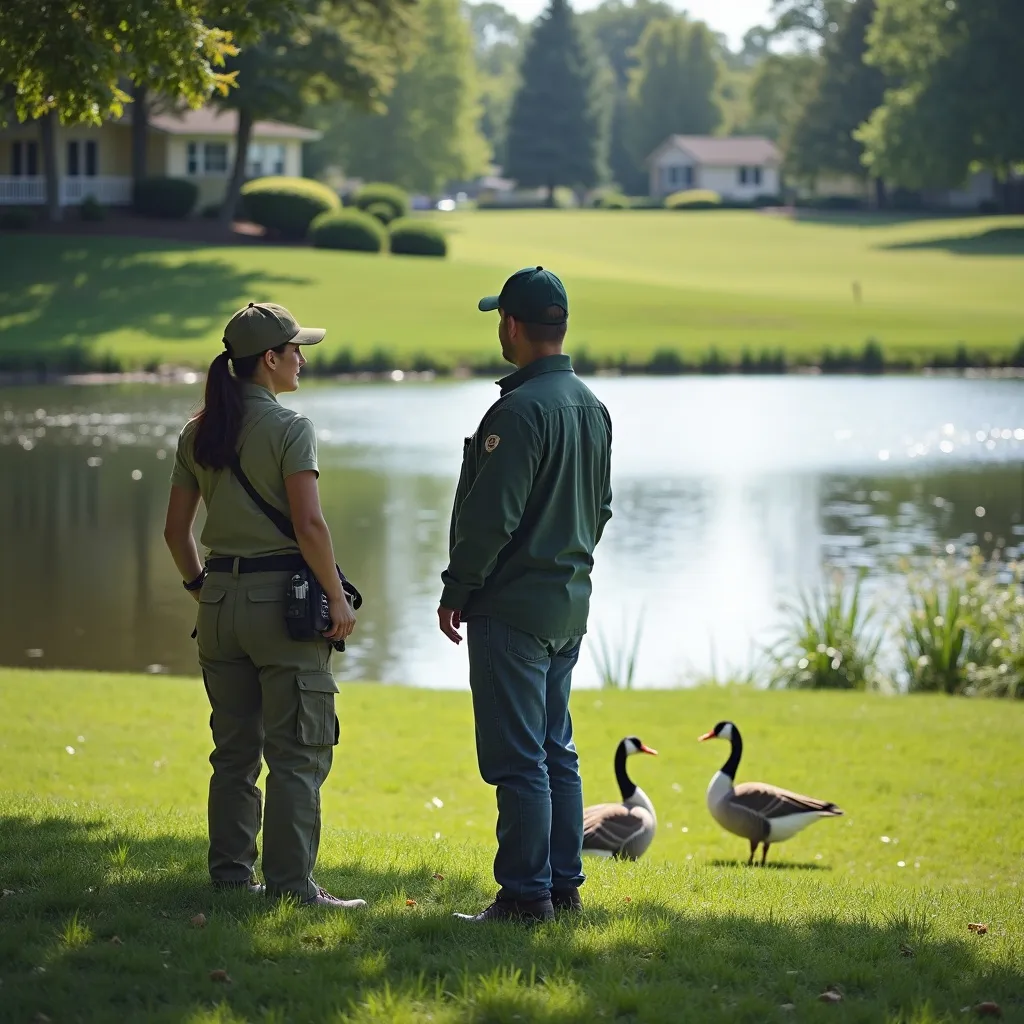
Why You Must Move Quickly Against Animal Invasions
Wildlife intrusions can escalate quickly, leading to substantial damage and health risks. When animals penetrate residential areas, they can damage structural integrity, gnaw on wiring, and spoil food sources. Furthermore, the presence of wildlife can carry diseases, creating serious health threats to both humans and pets. Quick action is vital to mitigate these risks and forestall further complications.
Neglecting the difficulty might cause expensive repairs and extensive clean-up efforts. In addition, certain species can multiply quickly, increasing the population and exacerbating the situation. Swift intervention not only protects property but also guarantees a safer living environment.
Engaging expert wildlife control can deliver efficient strategies adapted for particular animal problems. Prompt action is vital to regain tranquility and shield properties from the unpredictable character of animal invasions. Ultimately, swift response measures can significantly decrease the risk of permanent harm and wellness threats related to these incursions.
Indicators That You Have a Wildlife Problem
How can an individual figure out if a wildlife problem is lurking nearby? Numerous clues can point to the presence of unwanted creatures. Homeowners may notice peculiar noises, including scratching or scurrying noises, especially at nighttime. In addition, feces or footprints may appear on the property, displaying the type of wildlife at issue. Deterioration to materials, wires, or woodwork can also suggest an invasion, as several animals seek shelter in upper spaces or basement areas.
One sign includes eaten food packaging or overturned garbage, showing scavenging behavior. Also, openings or tunnels around the base may point to access points for pests. Strange odor, frequently tied to dwelling or refuse, can be a notable warning. Recognizing these indicators promptly is vital for proper management and safeguarding, making sure that property owners can respond appropriately before the problem intensifies.
Key Advantages of Specialized Wildlife Removal Services
Professional wildlife removal services deliver numerous advantages for homeowners confronting unwanted animal intrusions. In particular, experts contribute specialized knowledge and experience, ensuring safe and effective removal of wildlife without causing harm to the animals or the property. These professionals leverage advanced techniques and tools, which can manage complex situations that homeowners might not be fitted to handle.
Moreover, professional services often provide comprehensive evaluations to identify potential entry points, assisting in avoiding subsequent invasions. This preventative strategy not only reduces immediate concerns but also protects the home over time. Furthermore, many wildlife removal companies offer warranties or guarantees, giving homeowners peace of mind.
Lastly, relying upon authorities reduces the risk of injury from animal meetings, securing a more fortified environment for residents and pets. Overall, committing to professional wildlife removal can spare moments, stress, and potential infrastructure damage.
Recognizing Frequent Creature Unwanted Visitors in Your Residence
Homeowners frequently face various types of wildlife that can invade their living spaces, each creating distinct problems. Common intruders include raccoons, squirrels, and rodents, which can wreak havoc if not addressed promptly. Raccoons are notorious for raiding attics and basements, attracted by food sources or shelter. Squirrels often settle in roofs or eaves, causing potential structural damage. Rodents, such as mice and rats, can penetrate homes in pursuit of food, leaving behind droppings and polluting living areas.
In addition, birds may come in through exposed vents and chimneys, introducing noise and mess. Each species presents specific risks, including disease transmission and property damage. Detecting the signs of these intrusions—such as droppings, nesting materials, or scratching sounds—can support homeowners commence rapid action. Timely identification is necessary in stopping ongoing problems and maintaining a safe, healthy living environment.
DIY versus Professional: Which Option Is Best?
When thinking about animal removal, parties often balance the positives of DIY methods against paid expertise. Expense, safety, and long-term effectiveness are major considerations determining this conclusion. Recognizing these aspects can support property dwellers make an thoughtful decision that ideally addresses their needs.
Budget Elements For Removal
Choosing between do-it-yourself wildlife removal and employing an expert can profoundly affect both time and finances. DIY strategies often seem cost-effective, as they usually require minimal upfront expenses, such as buying traps or repellents. Nonetheless, hidden costs may emerge from potential damages or continuous invasions. Conversely, experts often charge a higher initial fee but provide expertise, efficiency, and a guarantee of results. Experts have the required equipment and skills to manage multiple animal types carefully and successfully, potentially saving homeowners from costly mistakes. Ultimately, the decision copyrights on individual circumstances, including budget, urgency, and the complexity of the wildlife problem. Balancing these points aids in a wiser decision.
Protection and Health Perils
Engaging in animal control includes considerable risks to safety and health, particularly when individuals opt for a DIY approach. Those without training may encounter aggressive animals, resulting in possible bites or injuries. Moreover, many wildlife species contain illnesses such as rabies, hantavirus, or leptospirosis, posing major health risks to those not prepared to handle them. Incorrect handling can also cause exposure to parasites like fleas and ticks, further endangering health. On the contrary, professional animal control professionals possess the required training, tools, and knowledge to manage these threats efficiently. They adhere to safety protocols, ensuring both animal welfare and human safety. Overall, professional expertise reduces the risk of accidents and health problems related to wildlife removal.
Durable Capability Determinants
The sustained success of wildlife removal strategies relies on various factors, notably when contrasting DIY approaches with expert solutions. DIY techniques often miss the expertise and resources necessary for thorough removal and preventive measures, causing recurring infestations. Homeowners may inadvertently overlook entry points or neglect to identify the indicators detailed resource of a more serious issue. In contrast, professionals possess advanced expertise and knowledge, enabling them to identify and address problems more effectively. They also implement preventive measures to reduce future risks. Cost considerations may push individuals to DIY solutions, but spending money on expert assistance can produce superior lasting outcomes. Ultimately, the choice between DIY and professional assistance should be guided by the complexity of the wildlife problem and the homeowner's commitment to funding a sustainable solution.
Proven Methods for Preventing Creature Intrusions
Developing reliable approaches to minimize animal invasions is fundamental for preserving a safe and peaceful setting. Homeowners should move forward by fortifying accessible entry points. This requires sealing gaps in foundations, walls, and roofs, in addition to mounting protective coverings on vents and chimneys. Moreover, reducing food attractions is paramount; properly storing garbage and removing leftover animal feed can prevent animals from approaching your residence.
Landscaping holds an significant weight. Keeping trees trimmed and caring for a clean yard minimizes spots where wildlife can take shelter. Also, deploying natural deterrents, including motion-sensing lights or sound emitters, can competently discourage animals from coming onto the property.
Consistent monitoring of the dwelling and surrounding spaces permit the early detection of potential difficulties. In summary, educating family members about wildlife patterns promotes knowledge, enabling preventive measures to be performed. By adopting these strategies, property owners can substantially decrease the probability of unwanted wildlife invasions.
What Occurs In a Wildlife Removal Service?
During a wildlife removal service, practitioners start off with a meticulous initial inspection to identify the extent of the concern. Following the assessment, ethical trapping methods are employed to safely capture the animals. Finally, prevention steps following removal promise that later incursions are curtailed, protecting the property from additional creature problems.
Beginning Assessment Process
A thorough inspection of the site begins wildlife removal services to identify signs of pest activity and potential entry locations. Trained professionals methodically inspect both inside and outside spaces, looking for droppings, nests, or deteriorated insulation, which suggest the presence of animals. They also assess the structural condition of the building, looking for gaps in eaves, vents, and foundations that may permit wildlife entry. This initial evaluation may involve the use of specialized tools to identify hidden problems. The information collected during this examination is crucial for creating a tailored removal plan, ensuring that the method tackles the specific wildlife issue effectively while minimizing risks to the property and its inhabitants.
Ethical Trapping Approaches
Many animal control companies emphasize humane trapping methods to guarantee the safe relocation of animals. These experts employ live traps created to catch wildlife safely. Typically, bait is used to lure the animal, ensuring it enters the trap willingly. Once captured, the animal is monitored to minimize stress and discomfort.
After capturing the animal, the organization assesses its health and conduct before relocation. This method often requires transporting the creature to a assigned area far from human populated areas, ensuring it is able to thrive in a proper habitat. Throughout this process, the focus remains on the welfare of the creature, obeying local regulations and ethical standards. By opting for humane trapping, groups support a harmonious coexistence between humans and wildlife.
After-Removal Preventive Techniques
Once the wildlife has been thoroughly driven out, the next important phase centers on preventive care to make certain that similar issues do not arise in the future. This entails a thorough survey of the property to identify potential entry points, such as gaps in roofing, ducts, or support structures. Caulking these entrances with correct materials is essential to deter subsequent wildlife. Also, house owners are suggested to maintain a clean environment by removing food sources and clutter that could pull in fauna. Constructing barriers, such as barriers or cloth barriers, can further secure vulnerable areas. Frequent inspection and monitoring of the property confirm that any symptoms of wildlife activity are addressed promptly, keeping safe both home and property from future infestations.
Commonly Asked Questions
What Local Regulations Govern Animal Control Businesses?
Local directives for wildlife removal services generally call for licenses, respect for ethical approaches, and compliance with state laws covering specific species. These directives secure the safeguarding of both wildlife and the community's safety and welfare.
How Can I Effectively Repel Wildlife in a Safe Manner Without Hurting Them?
To safely deter wildlife, one can apply non-lethal methods such as motion-activated lights, natural repellents, and locked trash bins. Additionally, keeping spaces clean minimizes food sources, encouraging animals to seek alternative environments.
When Do Wildlife Intrusions Occur Most Often Throughout Specific Seasons?
Wildlife intrusions tend to peak during spring and fall. Spring ushers in young animals searching for food, while fall often sees creatures looking for warmth and shelter, raising the likelihood of encounters with human habitats during these seasons.
Which Steps Should I Implement if I Locate Parentless Wildlife?
If you come upon parentless wild creatures, observe carefully from afar, prevent direct contact, and reach out to regional animal care organizations or authorities for guidance, ensuring the wildlife obtain appropriate assistance and treatment from experienced professionals.
In What Manner Can I Educate My Family About Wildlife Protection?
To educate the family on safe wildlife conduct, one is able to establish educational forums, communicate facts about local species, cultivate safe outdoor habits, and nurture respect for wildlife habitats, strengthening awareness and principled engagement with nature.